Xedame: A Modern Font for the Future of Design
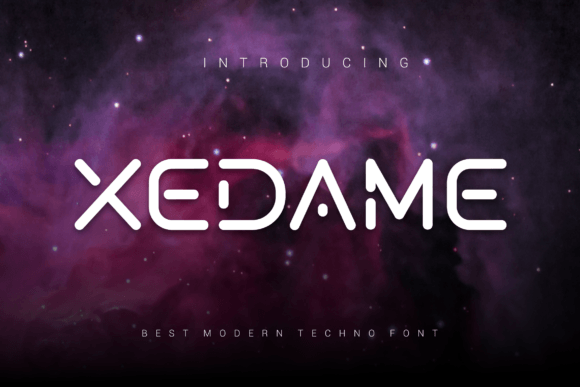
Xedame is a contemporary typeface designed to reflect the aesthetics of advanced technology and modern sophistication. Its clean lines, geometric structure, and futuristic feel make it an appealing choice for designers seeking a visually striking yet functional font. As digital design continues to evolve, fonts like Xedame are becoming essential tools for creating compelling visual identities.
Designed with a focus on clarity and versatility, Xedame offers a balance between innovation and readability. Whether used in web design, branding, or print materials, this font can enhance the overall look of any project. Its unique characteristics make it stand out in a crowded market of typefaces, but it's important to understand its strengths and limitations before deciding whether it's the right choice for your needs.
Why Consider Xedame?
Designers and developers often look for fonts that can convey a sense of modernity and professionalism. Xedame meets these expectations by offering a sleek, high-tech appearance that aligns with current design trends. Its minimalist approach makes it suitable for a wide range of applications, from user interfaces to marketing materials.
One of the primary reasons someone might be interested in Xedame is its ability to add a dynamic and forward-thinking element to their work. In industries such as tech, finance, and creative services, where a strong visual identity is crucial, Xedame can help create a cohesive and professional look. Additionally, its legibility at various sizes ensures that it remains effective in both large headlines and smaller text blocks.
Benefits of Using Xedame
The benefits of using Xedame include its versatility, aesthetic appeal, and technical performance. It is available in multiple weights and styles, allowing for greater flexibility in design projects. This adaptability makes it suitable for everything from logos and headings to body text and captions.
Another advantage is its compatibility with different platforms and software. Xedame is typically available in common font formats such as TrueType (TTF) and OpenType (OTF), ensuring that it can be used across various design tools and operating systems. This accessibility is particularly valuable for professionals who work in multi-platform environments.
Moreover, Xedame’s design encourages a sense of innovation and progress, which can be beneficial for brands looking to communicate a cutting-edge image. Its use can help differentiate a project from others that rely on more traditional or generic fonts.
Tradeoffs and Considerations
While Xedame offers many advantages, it may not be the best fit for every project. One potential tradeoff is its level of uniqueness. Although it has a modern feel, some designers may find that it lacks the distinctiveness needed for highly original or niche branding efforts. In such cases, alternative fonts with more distinctive features may be more appropriate.
Another consideration is the context in which the font will be used. Xedame’s clean and minimal design works well in digital environments, but it may not be as effective in certain print applications where more traditional typography is expected. For instance, in formal or historical contexts, a serif font might be a better choice.
Additionally, users should evaluate how Xedame performs in different languages and scripts. While it may be optimized for Latin-based alphabets, its suitability for other writing systems may vary. It’s important to test the font in the specific environments where it will be used to ensure optimal results.
Situations Where Xedame Excels
Xedame is particularly well-suited for projects that require a modern, high-tech aesthetic. It is ideal for websites, mobile apps, and digital interfaces that aim to convey innovation and efficiency. Its clean lines and structured form make it easy to read, even at smaller sizes, which is essential for user experience design.
For businesses in the technology sector, Xedame can serve as a powerful tool for reinforcing brand identity. It can be used consistently across marketing materials, product interfaces, and internal communications to create a unified visual language. This consistency helps build recognition and trust among users and customers.
In addition, Xedame is a good choice for creative professionals who want to maintain a professional yet contemporary look. It can be used in presentations, portfolios, and social media content to present work in a polished and modern way.
When Alternatives May Be Better
There are scenarios where alternative fonts may be more appropriate than Xedame. For example, if a project requires a more traditional or classic look, a serif font such as Georgia or Times New Roman could be a better fit. These fonts are often associated with authority and timelessness, making them suitable for academic, legal, or editorial contexts.
Similarly, for projects that emphasize creativity or artistic expression, a more decorative or script-style font may be preferable. These types of fonts can add personality and visual interest, though they may sacrifice some readability in larger text blocks.
It’s also worth considering the target audience when selecting a font. If the intended users are less familiar with modern design trends, a more conventional typeface may be more effective in conveying clarity and approachability.
Practical Insights for Decision-Making
When evaluating Xedame, it’s important to consider the goals of the project and the preferences of the target audience. Start by testing the font in different contexts to see how it performs in terms of readability, aesthetics, and functionality. This process can help determine whether it aligns with the overall vision of the design.
Additionally, research the availability and licensing of Xedame to ensure that it can be used legally and without restrictions. Some fonts may have limitations on commercial use or require additional fees, which can impact the feasibility of a project.
Finally, seek feedback from colleagues or clients to gain insight into how the font is perceived. User testing can reveal potential issues that may not be apparent during initial evaluation, helping to make a more informed decision.
By carefully weighing the strengths and limitations of Xedame, designers and developers can determine whether it is the right choice for their specific needs. Whether used as a primary font or as part of a broader typographic strategy, Xedame offers a modern and versatile option for those looking to elevate their design work.