Grumpy: A Playful Handwritten Font for Creative Expression
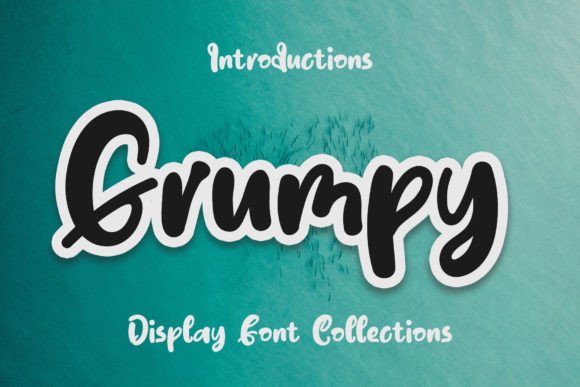
If you're looking for a font that brings a little mischief and charm to your designs, Grumpy might just be the perfect fit. This playful handwritten font is more than just a style—it's a way to add personality and character to your creative projects. Whether you're designing a logo, crafting social media graphics, or working on a personal project, Grumpy offers a unique blend of fun and professionalism that can elevate your work.
What Makes Grumpy Special?
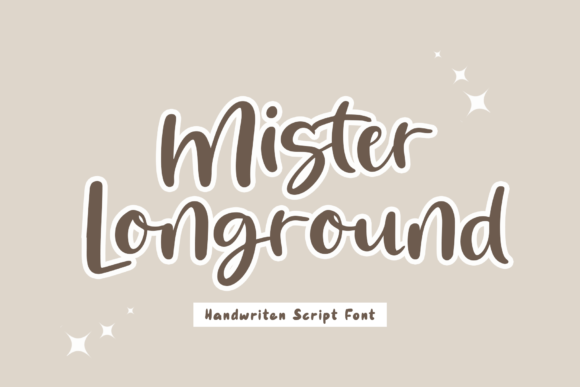
Grumpy isn't your average font. It's designed with a handcrafted feel that gives it an authentic, almost personal touch. The strokes are slightly uneven, the letters have a natural flow, and there's a sense of movement that makes it feel alive. This isn't a rigid, mechanical font—it's one that feels like it was written by someone with a bit of attitude and a lot of creativity.
It's ideal for anyone who wants to inject some energy into their designs without sacrificing readability. The font works well in both digital and print formats, making it versatile for a wide range of applications. Its playful nature doesn't mean it's not professional—many designers use it for branding, packaging, and marketing materials where a human touch is valuable.
Where and When to Use Grumpy
Grumpy is best suited for projects that benefit from a friendly, approachable vibe. Think of it as the go-to font for anything that needs a little personality. For example, if you're creating a promotional flyer for a local café, Grumpy could help convey the warmth and charm of the place. Or if you're designing a children's book cover, its whimsical style could make the design feel more engaging and imaginative.
It also works well in digital spaces. Social media posts, email newsletters, and website headers can all benefit from the font's expressive style. In a world where many designs look the same, Grumpy stands out by offering something different—a font that feels like it was made by hand, not generated by a computer.
Real-World Use Cases
- Business Branding: Entrepreneurs and small business owners often use Grumpy for logos, business cards, and signage. It adds a personal touch that can make a brand feel more relatable and memorable.
- Marketing Materials: Marketers might use Grumpy for ads, banners, or promotional content. Its playful style can catch attention and make messaging more engaging.
- Educational Projects: Teachers and students could use Grumpy for presentations, posters, or classroom materials. It adds a fun element that can make learning more interactive and enjoyable.
- Personal Projects: Hobbyists and creatives often turn to Grumpy for DIY projects, scrapbooking, or custom artwork. It allows them to express their individuality in a way that feels authentic.
- Web Design: Web developers and designers might use Grumpy for headings or call-to-action buttons. It can create visual interest and make a site feel more dynamic.
Who Benefits from Using Grumpy?
Grumpy isn't just for designers—it's for anyone who wants to add a unique flair to their work. Here are a few examples of how different users might benefit:
For a blogger, Grumpy could be used in headlines or captions to make their content stand out. For a teacher, it could be used in lesson plans or student handouts to make learning more visually appealing. For a small business owner, it could be used in marketing campaigns to create a more personable brand image.
Even everyday users might find value in Grumpy. If you're creating a custom greeting card, a birthday invitation, or a family newsletter, this font could add a special touch that makes your message feel more heartfelt and personal.
Things to Consider Before Using Grumpy
Before jumping into using Grumpy, it's important to think about how it will fit into your overall design. While it's a great choice for many projects, it may not be suitable for every situation. For example, if you're designing something that requires a high level of formality—like a legal document or a corporate report—Grumpy might not be the best option.
Also, consider the context in which your audience will see the font. If your audience is primarily professional or traditional, you may want to pair Grumpy with a more structured font to balance the playful elements. On the other hand, if your audience is younger or more casual, Grumpy could be a perfect match.
How to Get the Most Out of Grumpy
To really make the most of Grumpy, experiment with different sizes, colors, and placements. Try using it in bold text for headlines or in smaller sizes for subtle accents. You can also play with spacing and alignment to create a more dynamic layout.
Another tip is to combine Grumpy with other fonts. For instance, pairing it with a clean sans-serif font can create a nice contrast that highlights the uniqueness of Grumpy while keeping the design balanced and readable.
Final Thoughts
Grumpy is more than just a font—it's a tool for creative expression. Whether you're a designer, a business owner, or someone who loves to get creative, this font offers a way to bring personality and energy to your work. Its playful yet professional style makes it suitable for a wide range of applications, and its handmade feel adds a touch of authenticity that's hard to replicate.
If you're looking for a font that stands out and feels genuine, Grumpy is definitely worth considering. With the right approach, it can transform your designs and help you connect with your audience in a more meaningful way.